Dragon's Dogma 2: Dark Arisen Release Date, New Features, and Expansion Overview
Dragon's Dogma 2: Dark Arisen was released on October 9. Explore the new Norgon region, the relic appraisal system, and significant combat changes in this expansion.
Published: Dragon's Dogma 2 Wiki Editorial Team
Table of Contents
Understanding the Dark Arisen Expansion
Dragon's Dogma 2: Dark Arisen arrived on October 9, marking a significant turning point for Capcom's fantasy RPG. Following the mixed reception of the base game's launch, where players praised the emergent gameplay but criticized the world density and end-game progression, this expansion represents a concerted effort to refine the experience. It is not merely a content drop; it is a structural adjustment aimed at correcting the feedback loop that many players identified since 2024.
For those returning to the world of Dragon's Dogma, the expansion feels like a direct response to the community's desire for more "meat" on the bones of the game. The core experience—the pawn system, the unpredictable combat encounters, and the sense of adventure—remains, but it is now supported by a more robust mechanical framework. Whether you are a veteran of the base game or a newcomer, understanding the shift in design philosophy is essential to navigating the new challenges found in the northern reaches.
The New Frontier: Norgon
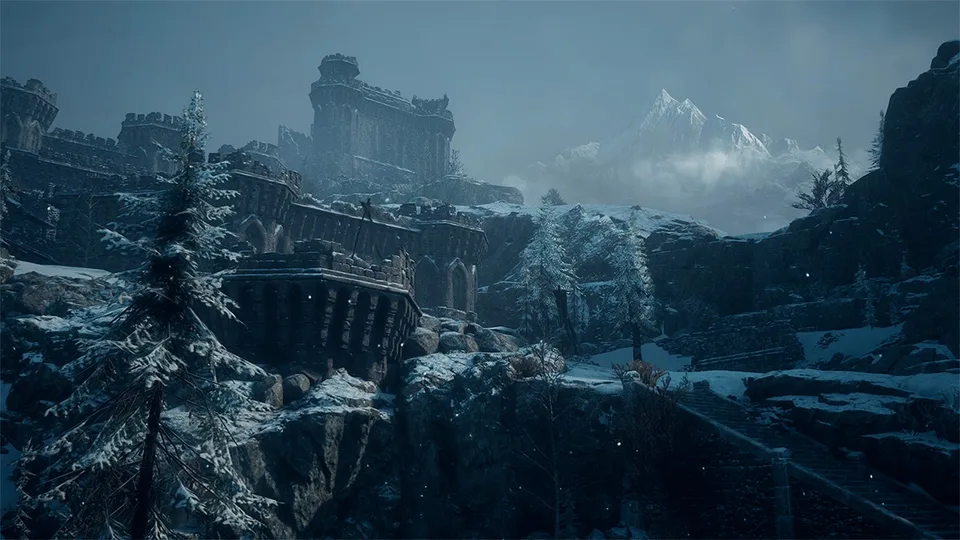
The most visually and mechanically distinct addition is the region of Norgon. Unlike the temperate environments that dominated the base game, Norgon introduces a harsh, frozen landscape. This is not just a cosmetic change; the environment is integrated directly into the existing world, maintaining the series' commitment to seamless exploration.
Based on early player reports, Norgon is intentionally hostile. The region features abandoned settlements, ruined fortresses, and treacherous terrain like frozen rivers and cliffs that actively play a role in combat. The developers have emphasized that this area is designed for experienced players, offering a higher difficulty ceiling to counteract the power creep that often made late-game encounters in the base title feel trivial.
Tip
Leverage the Environment in Norgon
In the new northern region, environmental interaction is key to survival. Look for opportunities to knock enemies off cliffs, drop icicles on them, or lure them onto frozen rivers where they might fall through the ice. The combat sandbox is more reactive here than in the base game.
Combat Evolution: The Six-Skill System
Perhaps the most impactful gameplay change in Dark Arisen is the expansion of skill slots. Originally, players were limited to four weapon skills, which often forced them to sacrifice utility for damage or mobility. By increasing this limit to six, Capcom has fundamentally changed how vocations are played.
This change allows for more complete, versatile builds. Players no longer have to choose between a mobility skill, a crowd-control ability, and a damage-dealing finisher. You can now equip all three, along with situational skills designed for specific enemy types, such as flying creatures. This flexibility encourages experimentation and allows players to rethink builds they previously considered "optimized." The expansion also introduces new skills across existing vocations, ensuring that even familiar classes feel fresh.
The Relic Appraisal System
To address the common criticism that exploration in the base game often felt unrewarded, Dark Arisen introduces the relic appraisal system. This mechanism creates a new, satisfying loop for end-game progression.
The Relic Appraisal Loop
Explore: Venture into Norgon and engage in combat to locate "unidentified relics" hidden within the environment or dropped by enemies.
Retrieve: Carry these unidentified items back to a settlement.
Appraise: Submit the relics for appraisal.
Equip/Refine: Receive gear with randomized statistical bonuses, unique effects, or ability modifiers.
This system shifts the focus from simply finding a static item in a chest to hunting for the "perfect roll" on a piece of gear. It adds an addictive layer of RNG-based progression that keeps the exploration loop feeling relevant, even after the initial novelty of the map wears off.
Addressing Performance and Platform Availability
Performance was a defining topic during the launch of Dragon's Dogma 2. With the release of Dark Arisen, Capcom has continued to push optimization updates for the base game, targeting console performance and general stability.
Notably, the game has expanded to the Nintendo Switch 2. While bringing a demanding title like Dragon's Dogma 2 to the Switch 2 is a technical challenge, early impressions suggest it is a playable experience. The developers are utilizing frame generation technology to target a 30 FPS base rate with an option to boost visual smoothness, though players should expect some image quality trade-offs, particularly in dense vegetation or high-action scenes.
Warning
Frame Generation Artifacts
When playing on the Switch 2 or using frame generation settings on PC, be aware that these technologies can introduce visual artifacts. If you find the image quality compromises distracting, you have the option to disable these features in the settings menu.
Dungeon Challenges and Enemy Variety
The expansion introduces 12 new dungeon challenges scattered throughout the world. Unlike the repetitive caves found in the base game, these dungeons are designed with specific concepts in mind. Some focus on verticality, others on survival, and some require the use of specific items like explosives to navigate.
The enemy roster has also been expanded to match the increased difficulty of the new region. You will encounter frost-covered giants, new dragon variations, and undead threats that require more than just brute force to defeat. The goal here is to ensure that combat remains engaging rather than becoming a simple "resource dump" where you mindlessly cycle through attack animations.
Frequently Asked Questions
Is the Dark Arisen expansion a standalone game?
No, Dark Arisen is an expansion for Dragon's Dogma 2. You will need the base game to access the new content, including the region of Norgon and the updated skill systems.
Does the expansion fix the performance issues from the base game?
Capcom has released updates alongside Dark Arisen that specifically target performance and optimization. While the game remains demanding, these updates aim to improve stability across all platforms.
How does the new 6-skill slot system work?
The update increases the active weapon skill limit from four to six slots for all vocations. This applies to the game generally, not just within the expansion's new region, allowing for more diverse and complex character builds.
Are the new dungeons just reskinned versions of old ones?
According to developer descriptions and early player impressions, the 12 new dungeon challenges are designed with unique concepts, such as survival gauntlets or puzzle-oriented exploration, rather than being simple, repetitive layouts.
Conclusion: Is It Worth Returning?
Dragon's Dogma 2: Dark Arisen arrives at a pivotal time for the title. By addressing the core criticisms regarding progression, loot, and skill variety, the expansion attempts to transform the game into a more complete experience. For those who enjoyed the foundation of the combat but felt the world lacked depth or meaningful rewards, the addition of the Norgon region and the relic appraisal system offers a compelling reason to jump back in.
The expansion succeeds by focusing on "friction" in the right places—making exploration dangerous and rewarding—while smoothing out the frustration of restrictive builds. Whether these changes will cement Dragon's Dogma 2 as a classic remains to be seen, but for players looking for a more robust and challenging adventure, the arrival of Dark Arisen is a significant step in the right direction.