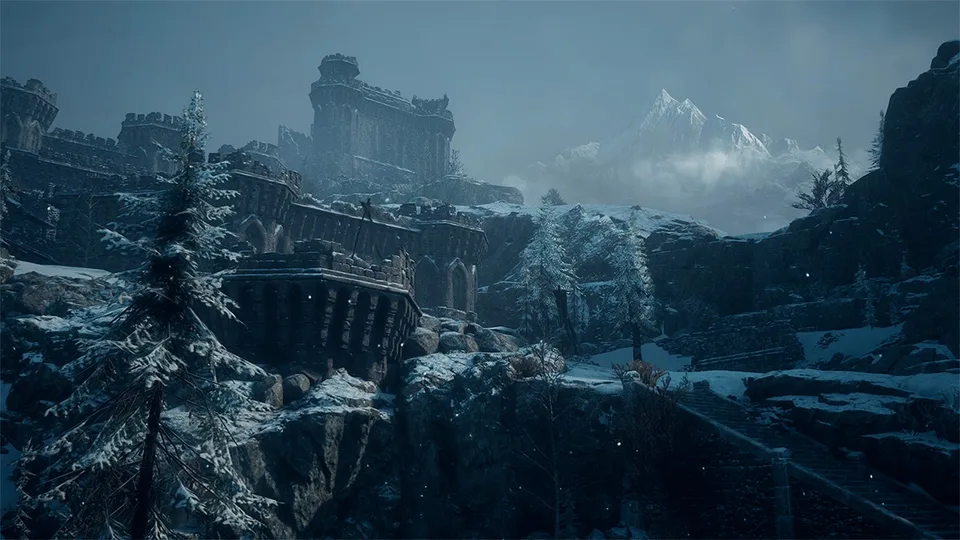
Dragon's Dogma 2 Map Guide: Mastering Exploration and Navigation
Learn how to effectively navigate the open world of Dragon's Dogma 2. Discover tips for managing stamina, using fast travel, and uncovering hidden dungeons.
Published: Dragon's Dogma 2 Wiki Editorial Team
Table of Contents
Understanding the World Design of Dragon's Dogma 2
At its core, the world of Dragon's Dogma 2 is designed to prioritize the "will to explore." Unlike modern open-world games that flood your screen with icons and checklists, this title encourages organic discovery. The map is vast, but it is intentionally structured to guide you through narrow, controlled paths in the early game—such as the route from the starting mining camp to Melve—before eventually opening up into the wider territories of Vermund and Battahl.
This design philosophy ensures that players are not overwhelmed. By limiting your movement through steep terrain and implementing a stamina system that affects both combat and traversal, the developers force you to consider your route carefully. You cannot simply sprint up every mountain; you must find the natural paths or utilize clever shortcuts to navigate the environment effectively.
Mastering Navigation and Environmental Constraints
One of the most defining aspects of the map is its verticality and the environmental hazards that dictate where you can go. The existence of the "brine" in all deep water means you cannot swim, making travel across the ocean impossible. This constraint turns the map into a series of interconnected landmasses where your path choice is paramount.
Tip
Always look for "fire cinders" or smoke during the day to locate campsites. At night, visibility is significantly reduced, making it harder to spot these landmarks.
Environmental storytelling is a key component of your journey. As you move from the grittier, darker mining camps in the south to the vibrant, colorful regions of the upper map, the color palette and atmosphere shift to signal your progression. Pay attention to these visual cues, as they often indicate you are entering a new, more challenging, or rewarding area of the world.
Fast Travel and Strategic Movement
Fast travel in Dragon's Dogma 2 is intentionally restricted to maintain the weight of your journey. You cannot simply teleport anywhere at any time. Instead, you must rely on two primary methods:
Portcrystals: These are rare, permanent markers that you can place in specific locations. To use them, you must consume a Ferrystone. Because Portcrystals are limited, you should place them at major hubs or areas you visit frequently, such as the capital cities of Vernworth and Bakbattahl.
Oxcarts: These provide a cheaper, localized travel option between specific stations. However, they are not guaranteed safe passage. Community reports indicate that oxcarts are frequently ambushed by monsters, which may force you into unexpected combat encounters.
The Role of Pawns in Exploration
Your party of Pawns is not just for combat; they are essential tools for map exploration. If you hire Pawns who have traveled "beyond the rift"—meaning they have been in other players' games—they can provide invaluable information about the world.
Check Pawn Knowledge: Look for Pawns with specific quest knowledge or area experience.
Monitor Health: Ensure your party is well-rested; camping restores health and allows you to cook food for temporary buffs.
Watch for Dragon's Plague: Be wary of hiring Pawns with unusual eye symptoms, as they may carry a sickness that can cause significant trouble for your journey.
Utilizing Interactive Maps and Points of Interest
While the game provides minimal handholding, many players utilize external tools like MapGenie's Dragon's Dogma 2 Map to track progress. These interactive maps can help you locate hidden dungeons, Seeker's Tokens, and boss locations that you might otherwise miss.
The game rewards curiosity. Capcom designed the world so that wherever you stand, you can usually see multiple points of interest. Whether it is a ruin in the distance or a hidden cave entrance that serves as a shortcut between regions, the map is filled with secrets that require active exploration to uncover.
Managing Saves and Consequences
The saving system is a crucial part of the exploration experience. With only one save slot, your decisions carry weight. Resting at an inn or your own home is the primary way to save your progress manually.
Warning
Be cautious when resting. Since the game overwrites your previous save file with each new save, you cannot easily revert to an earlier state if you make a mistake. This mechanic is intended to make every choice—from which route you take to how you handle a quest—feel meaningful.
FAQ: Frequently Asked Questions
Why can't I climb every mountain?
The game limits traversal to prevent players from bypassing intended routes. Your character will slide down steep surfaces, forcing you to find designated paths or use specific vocation abilities, such as a Sorcerer’s levitation or a Fighter’s ability to launch Pawns, to reach higher ground.
How do I find hidden dungeons?
Hidden caves and dungeons often provide shortcuts between regions. Keep an eye out for off-the-beaten-path openings. If you have a well-informed Pawn in your party, they may occasionally point out hidden locations or loot that you would have otherwise walked past.
Are there horses in the game?
No, there are no horses in Dragon's Dogma 2. The developers opted for a design where the journey itself is the adventure. While this may make travel feel slower, it ensures that you encounter more environmental details, enemies, and side quests along the way.