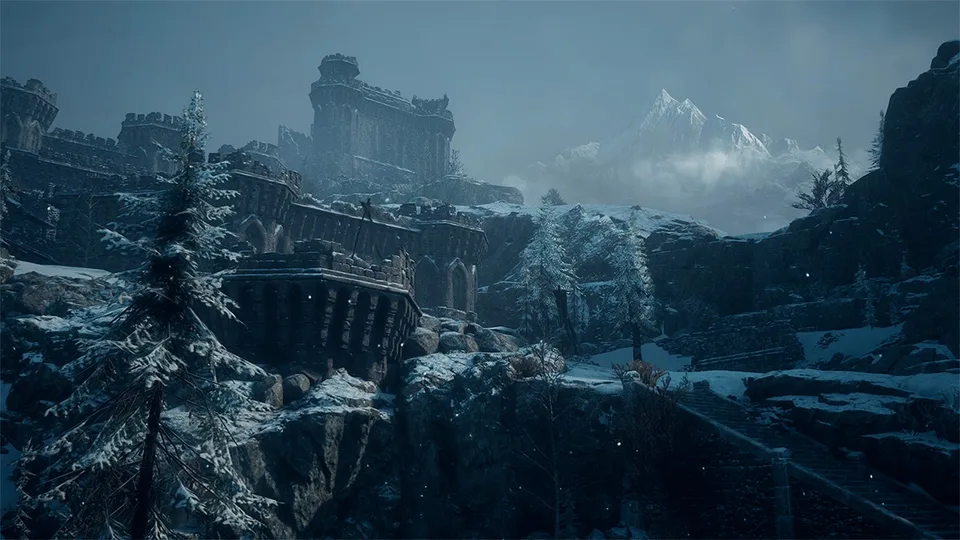
Dragon's Dogma 2 PC Overview: Gameplay Systems, Combat, and Performance
Discover what makes Dragon's Dogma 2 on PC a unique open-world RPG, featuring deep pawn mechanics, physics-based combat, and performance insights.
Published: Dragon's Dogma 2 Wiki Editorial Team
Table of Contents
Understanding the Scope of Dragon's Dogma 2 on PC
When approaching Dragon's Dogma 2 on PC, players step into a relentlessly faithful follow-up to CAPCOM's 2012 cult classic. Rather than streamlining into a modern, predictable formula, this release doubles down on unconventional systems, deep open-world simulation, and a lack of overt handholding. According to community reports and early hands-on impressions, the game trusts the player to figure things out organically, offering a refreshing alternative to standard checklist-driven open-world titles.
You can check out the official Dragon's Dogma 2 Steam Page for store details, system requirements, and purchase options.
Core Gameplay and Exploration Without Checklists
The game’s world map is vast, dense, and packed with secrets that reward genuine curiosity rather than icon-chasing. Unlike titles that flood the screen with objective markers, this experience encourages natural discovery.
Open-Ended Quests: Missions often feature multiple resolution paths, allowing you to forge items, trick NPCs, or bypass gates through environmental exploration.
Consequential Choices: Failing or altering quest outcomes impacts your journey, forcing you to adapt rather than simply reloading a scripted checkpoint.
Sparse Fast Travel: Teleportation relies on rare, expensive stones, meaning players will do a lot of hiking, complemented by oxcarts for major routes.
Combat Mechanics and Physics Integration
Combat in Dragon's Dogma 2 diverges sharply from traditional action games or modern soulslikes. There is no universal dodge button or target-lock by default, making positioning and environmental awareness critical.
Choose Your Vocation: Select from starting classes like warrior, archer, thief, and mage, or unlock hybrid options as you progress.
Engage the Environment: Use physics to your advantage by climbing large beasts, targeting weak points, or knocking enemies off ledges.
Manage Wear and Tear: Sustained damage slowly drains your max health, requiring you to rest at inns or set up camp to fully recover.
The Pawn System: Your AI Companions
A defining feature of the series is the pawn system. Since there is no traditional multiplayer, players are joined by up to three AI-controlled companions.
Main Pawn Creation
You design one primary pawn using the game's robust character creation tools. This companion levels up alongside you and learns from your travels.
Guest Pawns via Rift Stones
By interacting with rift stones and spending in-game currency called rift crystals, you can recruit two additional pawns created by other players or CAPCOM. Pawns matching your level are free, while higher-level assistance costs more.
While pawns can occasionally repeat dialogue lines, their combat utility and navigational guidance make them feel like an indispensable part of your party.
PC Performance and Visual Expectations
When looking at technical performance, console versions are typically capped around 30 frames per second, which can dip further in dense city areas. Players seeking smoother frame rates or aiming to bypass hardware limitations often look to the PC version. The game features highly detailed environments, sweeping vistas, and physics-heavy encounters that benefit greatly from robust hardware performance.
FAQ
Is there multiplayer in Dragon's Dogma 2?
No, the game is strictly single-player, relying instead on the asynchronous pawn system where you team up with AI companions.
How does healing work during long journeys?
Standard items heal immediate damage, but cumulative "scratch damage" slowly drains your maximum health pool. To restore this, you must rest at an inn or use camp supplies while out in the wilderness.
Are there microtransactions or random loot stats?
Equipment features fixed stats rather than randomized loot rolls, keeping inventory management straightforward and focused on progression.